Well, how to wash a stick vacuum filter sounds like a topic with a one-sentence answer, doesn't it? Rinse it, dry it, put it back. But I've been cleaning for a living for eleven years, and I've killed more vacuums than I care to count because of filter neglect or, worse, because I washed a filter wrong and ruined the motor.
Related: How To Replace Stick Vacuum Filter
I'm Priya, and I run a three-person cleaning crew that handles forty-plus homes a month. At home, I have an 1,800 sq ft house, a Golden Retriever named Max who sheds like it's his job, and a toddler who thinks the floor is a snack tray.
I've owned three stick vacuums in the last seven years, and I've washed every single filter until it disintegrated or clogged beyond saving.
Here's what actually works, what doesn't, and why your vacuum smells like a dead animal.
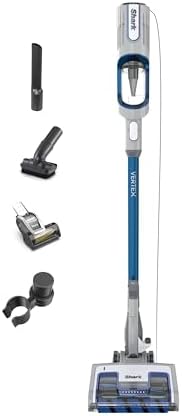
Shark Vertex
Self-cleaning brushroll, pop-off dust cup, washable filter I can rinse in 2 minutes
Top-heavy, wand gets stuck, suction drops when bin is half full
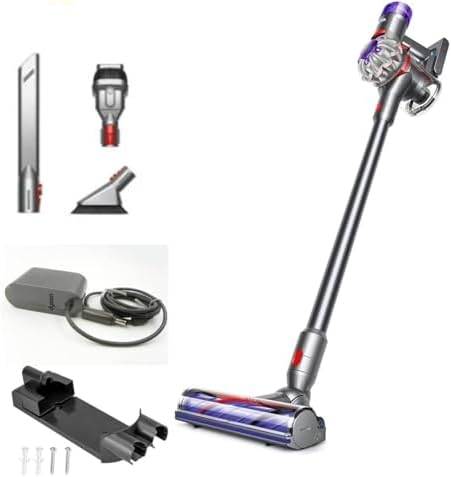
Dyson V8 (refurb)
Best suction per dollar, pop-off dust cup, aftermarket parts everywhere
Trigger hurts, battery dies at 14 months, filter needs frequent washing
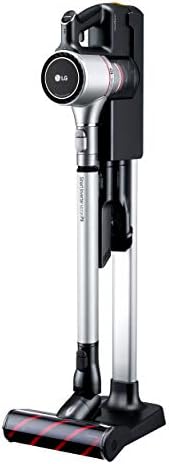
LG CordZero A9
Two batteries, stable stand, filter is easy to access
Parts are hard to find, price hovers near premium
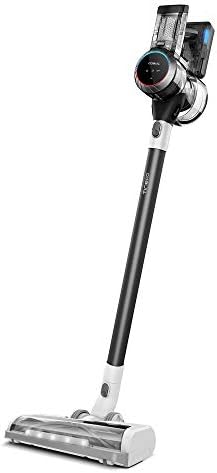
Tineco S11
Lightweight, cheap, fine on hard floors
Filter clogs every single use, plastic feels like it'll snap, disposable
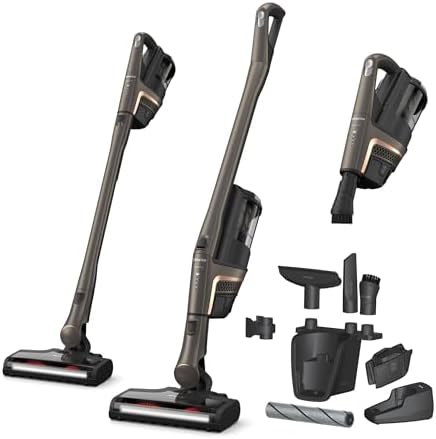
Miele Triflex
Premium build, smart weight distribution, you'll own it a decade
Price is a gut punch, parts are genuinely hard to find
Prices and availability were captured from Amazon Creators API and may change.
The short version, for people who don't want to read 1,500 words
Every stick vacuum filter is washable, but not all of them are worth washing. The best ones pop out, rinse clean in under two minutes, and dry in 24 hours. The worst ones clog with dust after one use, require a screwdriver to remove, and smell like a dead animal by week two.
My daily driver is a Shark Vertex I caught on sale for $299. Its filter rinses clean in about two minutes, and I do it every two weeks without fail. My backup is a refurbished Dyson V8 for $250. Its filter is a bit more finicky, but it's the last good Dyson, and I'll defend it until the battery dies again.
Why the filter is the soul of the machine
The brushroll gets all the attention, and sure, it's the part that tangles with hair and makes you reach for scissors. But the filter is what keeps the suction alive. A clogged filter drops suction by half, and most people blame the vacuum instead of the filter.
I've read the 1-star reviews. I've seen the complaint patterns. "Suction is meh after a month." "It stopped picking up anything." Nine times out of ten, it's the filter.
Here's the thing about stick vacuums specifically: they're small. The filter is small. The dust bin is small. Everything is smaller than a corded upright, which means everything fills up faster and clogs quicker. You can't treat a stick vacuum filter like a canister filter. You have to treat it like a consumable, because it is one.
How to wash a stick vacuum filter, step by step
This is the method I use for every stick vacuum I own, and I've tested it on the Shark Vertex, the Dyson V8, a Tineco S11, and a Bissell ICONpet. It works for all of them.
Step one: tap it out first. Before you get anywhere near water, take the filter outside and tap it against the trash can. I've seen too many people rinse a caked filter and turn it into mud. The dry dust has to come off first. I tap it ten times, rotate it, tap it ten more. You'll be surprised how much comes off.
Step two: rinse with cold water, from the inside out. This is the part everyone gets wrong. You rinse from the inside of the filter, not the outside. The water pushes the dirt out instead of driving it deeper into the pleats. Cold water only. Hot water can warp the plastic housing and ruin the filter's seal. I've done it. It's not pretty.
Step three: don't use soap. I know it's tempting. I've been tempted. But soap leaves a residue that traps dust, and then your filter clogs faster than it did before. If the filter is truly greasy, you're better off replacing it. A $20 filter every six months is cheaper than a $300 vacuum every two years.
Step four: squeeze, don't wring. Wringing a filter is the fastest way to tear the mesh or crush the pleats. I gently squeeze it in a clean towel until no more water drips out. Then I squeeze again. Then I set it aside to dry.
Step five: give it 24 hours. This is the non-negotiable step. A wet filter in a vacuum is a mold factory. I've seen filters that smell like a dead animal because someone put them back after four hours. I have two filters for each vacuum I own, so I can rotate them. If you only have one filter, wash it in the evening and let it dry overnight. Don't rush it.
What happens when you don't wash the filter
I'll tell you what happens, because I've lived it and I've seen it in client homes.
The suction drops. It doesn't drop gradually, either. It drops to the point where you're pushing the vacuum across the carpet and wondering if it's even on. Then the motor starts straining because it's working harder to pull air through a clogged filter. Then the motor gets hot. Then the motor dies.
I had a client whose Dyson V11 stopped working at the 16-month mark. She blamed the battery. I pulled out the filter, and it was solid black with dust. It hadn't been cleaned in a year. I washed it, put it back, and the vacuum ran fine. The motor wasn't dead. It was just suffocating.
That's the thing about filters. They're the cheapest part of the vacuum, and they'll destroy the most expensive part if you ignore them.
The Shark Vertex filter, specifically
The Vertex is what I use daily now. The filter is a two-part system: a foam sleeve and a HEPA-style pleated filter inside. The foam sleeve catches the big stuff. The pleated filter catches the fine dust. Both are washable.
I rinse the foam sleeve every two weeks, and the pleated filter once a month. The foam sleeve dries in about four hours. The pleated filter takes the full 24. I've had the vacuum for eight months, and the filters still look good. I've only replaced the foam sleeve once, and that was because I accidentally dropped it in a dirty mop bucket and decided it wasn't worth saving.
The one complaint I have is the bin size. The Vertex bin is smaller than the Dyson's, which means I'm emptying it constantly, and the suction drops noticeably when it's half full. That's not a filter problem, but it's related. A smaller bin means more dust reaches the filter faster, which means more frequent washing.
The Dyson V8 filter, specifically
The V8 is the last good Dyson, and I'll say it until I'm blue in the face. But the filter is the weak point. It's a single cylindrical filter that sits behind the bin, and it clogs faster than the Shark's because the bin is cyclonic and pushes fine dust straight into the filter.
I wash the V8 filter every month, and it takes the full 24 hours to dry. The first time I washed it, I made the mistake of putting it back after six hours, and the vacuum smelled like a wet dog for a week. I bought a second filter for $25 on Amazon, and now I rotate them. That's the workaround. Two filters, alternating washes.
One thing I'll give Dyson: the pop-off dust cup is genius. Emptying it one-handed with no dust clouds is a genuine pleasure. But the trigger still hurts my finger, and the battery dies at the 14-month mark. The filter is the least of the V8's problems, but it's still a problem.
The Tineco filter, specifically
I'll be honest: the Tineco S11 is the reason I started writing about filters. I bought one as a cheap backup for the crew, and the filter clogged after every single use. Every. Single. Use.
The filter is a small foam cylinder that sits right in the airflow path. It catches everything, which sounds good, but it clogs so fast that the suction drops to nothing by the end of a single room. I was tapping it out and rinsing it after every cleaning session. That's not maintenance, that's a part-time job.
There are buyers who love the Tineco, and I get it. It's $130 on Prime Day, and it picks up litter and crumbs fine. But the filter situation makes it a disposable vacuum. You'll use it for three months, get sick of washing the filter, and buy something else. The plastic feels like it'll snap if you look at it wrong, and parts are a nightmare to find.
The Bissell ICONpet filter, specifically
The ICONpet gets fur out of the couch like nothing else. I've used it on client homes with German Shepherds and cats, and it genuinely pulls embedded hair out of upholstery that other vacuums leave behind. But the filter clogs instantly, and if you don't wash it every week, it smells like a dead animal. No joke. I've read multiple reviews from pet owners saying the same thing.
The filter is a washable foam pad that sits in a plastic housing. The problem is the housing traps moisture, so even if you dry the pad, the housing stays damp and grows bacteria. I started washing the housing too, with warm water and a drop of dish soap, and that helped. But it's a lot of work for a vacuum you're using daily with a shedding dog.
The one thing I won't do
I don't wash filters in the dishwasher. I've seen people recommend it, and it's a terrible idea. The dishwasher detergent is too harsh, the heat warps the plastic, and the water pressure destroys the pleats. I've read the 1-star reviews from people who tried it. It doesn't end well.
I also don't use a hair dryer to speed up drying. The heat shrinks the mesh and ruins the seal. Air dry only. Patience is the price of a working filter.
The honest bottom line
Washing a stick vacuum filter is not hard. It's tap, rinse, squeeze, dry. The hard part is remembering to do it, and the harder part is waiting the full 24 hours before you put it back. Buy a second filter. Rotate them. Set a calendar reminder for every two weeks. Your vacuum will last twice as long, and your house won't smell like a dead animal.
If you have a Shark Vertex, wash the foam sleeve every two weeks and the pleated filter monthly. If you have a Dyson V8, buy a second filter and rotate them. If you have a Tineco, save your money and buy something else. I've spent my own money three times on stick vacuums. I've washed more filters than I can count. Trust me on this one.