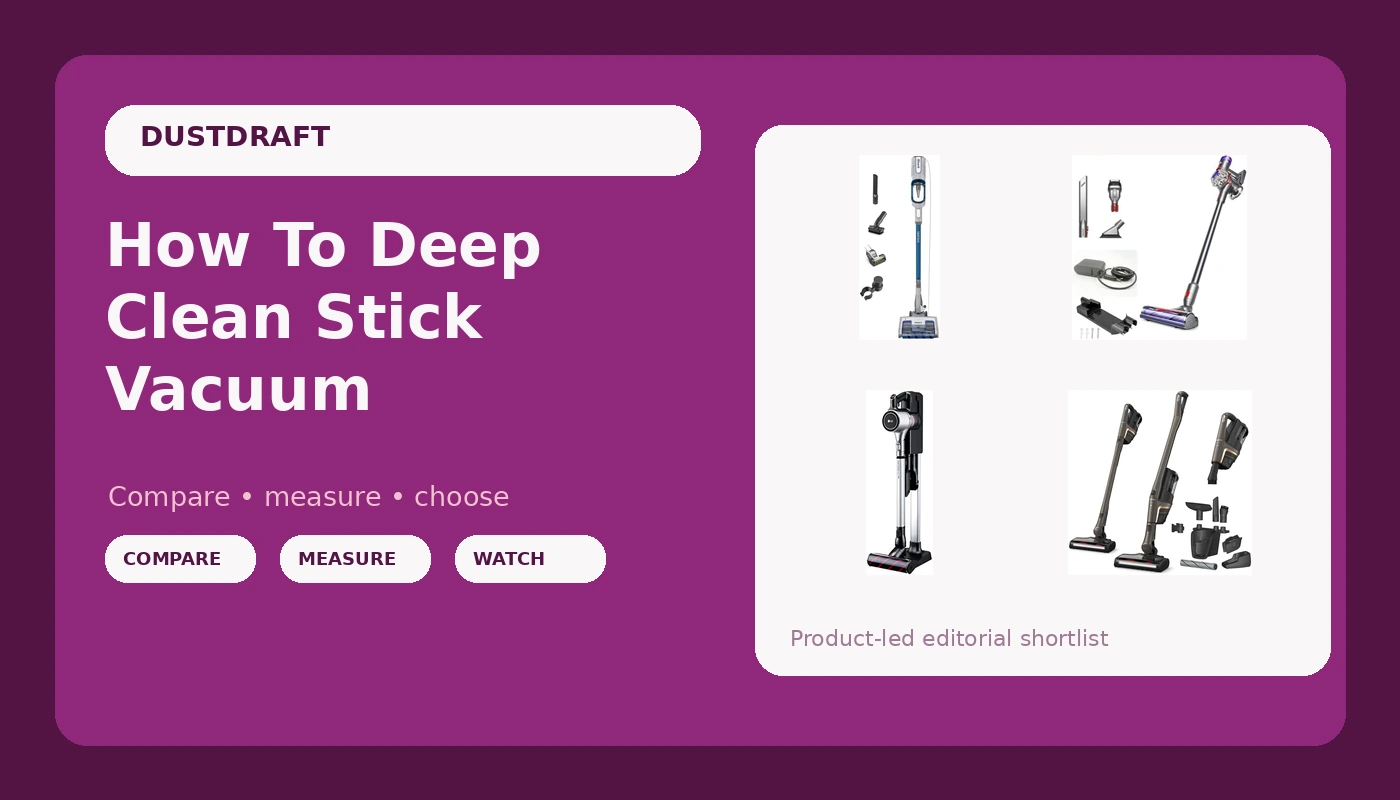
How To Deep Clean Stick Vacuum
Related: How To Clean A Stick Vacuum
Well, I've got a confession to make. I've owned a stick vacuum for seven years and I didn't deep clean the thing until last month. Not a quick dust-out. A real deep clean. The kind where you realize the filter you've been "washing" was actually never getting clean, and the brushroll you thought was fine was hiding two years of Max's fur wrapped around the bearings.
I ran a professional cleaning crew for eleven years. Three people, forty-plus homes a month. I've deep cleaned other people's vacuums more times than I can count, but my own? I let it slide. That changed when my Shark Vertex started smelling like a dead animal every time I used it on the carpet. That was the wake-up call.
Here's the thing nobody tells you: a stick vacuum needs a deep clean every two to three months if you have pets. Every month if you have a Golden Retriever who sheds like it's his job. I've got the 70-pound fur machine, so I'm on the monthly schedule now. And after doing it properly for the first time, I can tell you exactly what works and what's a waste of your Saturday.
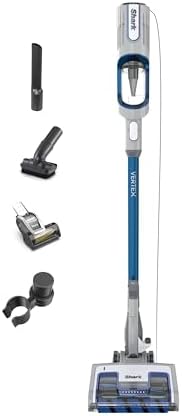
Shark Vertex
Self-cleaning brushroll survived 8 months of dog fur
Top-heavy, small bin, wand sticks
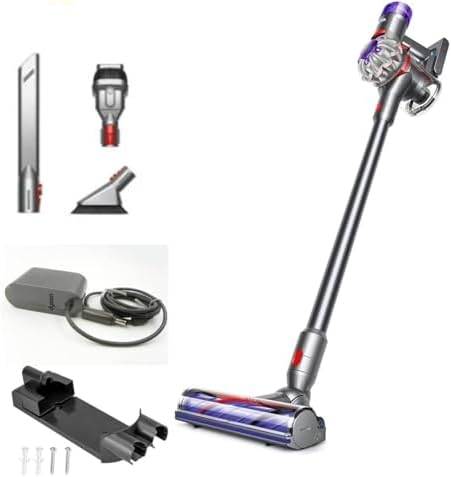
Dyson V8 (refurb)
Last good Dyson, pop-off dust cup, aftermarket batteries exist
Trigger cramps your hand, battery dies at 14 months
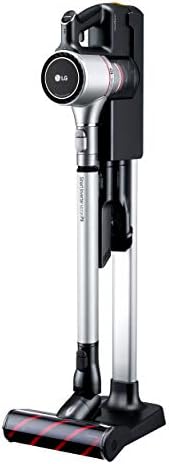
LG CordZero A9
Two batteries, stable stand, swappable mid-job
Parts are impossible to find
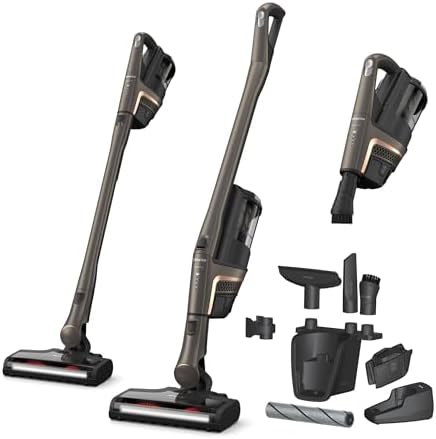
Miele Triflex
Premium build, smart weight distribution
Price is a gut punch, same parts problem
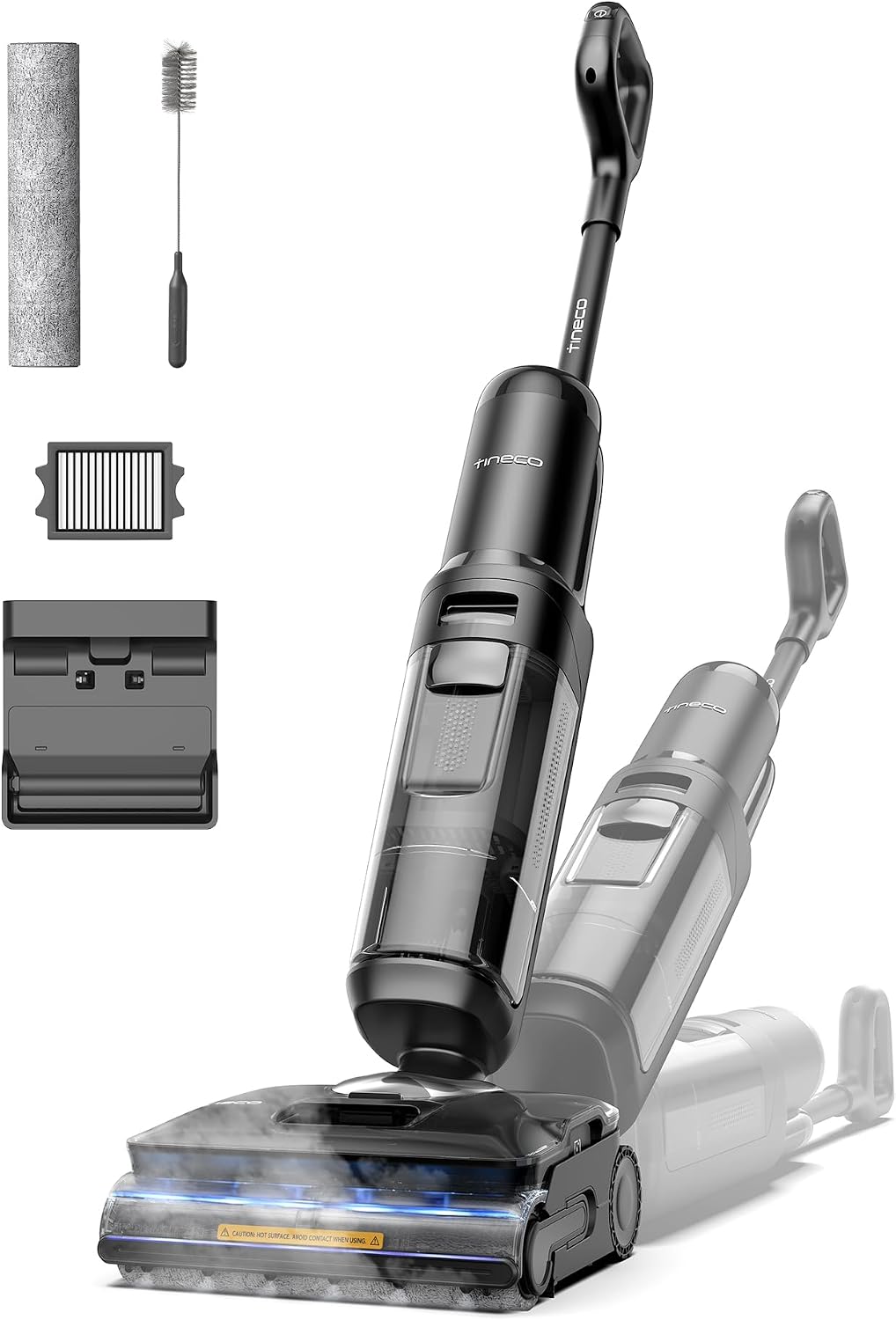
Tineco Floor One S7 Stretch Steam
Wet/dry steam mop — not a stick vac; remove
Filter clogs every use, feels like it'll snap
Prices and availability were captured from Amazon Creators API and may change.
Let me save you a trip to the store. You don't need special vacuum cleaner lubricant or some fancy kit from Amazon. You need:
- A screwdriver (check what kind your vacuum uses, mine needed a Phillips)
- Scissors that you're willing to get gross
- A bowl of warm water with a drop of dish soap
- An old toothbrush
- A towel you don't care about
- Fifteen minutes, not the hour the internet tells you
That's it. I did my first deep clean with stuff I already had in the kitchen drawer. The toothbrush was my toddler's old one, and honestly, it worked better than any brush I've bought since.
Step one: the filter, and why you've been doing it wrong
The filter is the number one complaint I see in the 1-star reviews for every stick vacuum on the market. "Clogged filter after a month." "Smells like a dead animal." "Suction dropped to nothing."
Here's what I learned after ruining one filter: you can't just tap it out and call it clean. That gets the surface dust, but the oils from pet fur soak into the filter material. That's the smell. That's the suction loss. That's the whole problem.
My Shark Vertex has a two-part filter system. The pre-filter catches the big stuff, and the HEPA filter catches what gets through. When I popped both out last month, the pre-filter was so caked with fine dust that it had turned from white to gray-brown. The HEPA filter looked fine from the outside. It wasn't.
The fix is simple: rinse both filters under cold water until the water runs clear. Not lukewarm. Not hot. Cold. Hot water sets the oils and makes the smell permanent. I learned that the hard way with my old Dyson V8 filter, which I replaced twice before I figured it out.
Then let them air dry completely. Not "mostly dry." Completely. I'm talking twelve to twenty-four hours. If you put a damp filter back in, you're inviting mold, and mold in a vacuum filter smells exactly as bad as you're imagining. I made this mistake once. Never again.
One note on replacement filters: buy them when you see them. I've had to wait three weeks for a Shark filter to come back in stock, and my Dyson filter was only available as a two-pack on Amazon for $35. Keep a spare on hand. You'll thank me later.
Step two: the brushroll, or where my dogs go to die
I'm going to be honest with you. This is the grossest part. I've disassembled brushrolls with scissors more times than I can count, both for my crew and for my own machines. The hair wrap is real. It's not a marketing problem, it's a physics problem.
My Shark Vertex has the self-cleaning brushroll, which I've praised in other reviews and will praise again. It genuinely works. Eight months of Max's fur, and I haven't had to cut a single strand out of it. That's not a claim from a press release, that's my lived experience with a dog who sheds like it's a full-time job.
But here's what the self-cleaning brushroll doesn't do: it doesn't clean the bearings on either end of the roller. Those little caps where the brushroll spins? They collect hair and thread and toddler hair ties.
When I pulled mine off last month, there was a solid ring of compressed fur wrapped around each bearing.
It was cutting into the plastic. Another month or two and I would have been buying a new brushroll assembly.
The fix: pop the end caps off, pull the hair out with your fingers or a pair of needle-nose pliers, and wipe the bearing surface with a dry cloth. Don't oil it. The vacuum manufacturers don't want you oiling anything, and they're right. The bearings are sealed. Just clean the hair off and put it back together.
For vacuums without the self-cleaning brushroll, you're looking at the full scissors experience. My Dyson V8 needs a brushroll cleaning every two weeks. That's not an exaggeration. With a Golden Retriever, I timed it once and it took eleven minutes from "pull the brushroll out" to "put it back in." Eleven minutes every two weeks.
That's four and a half hours a year spent cutting dog hair out of a brushroll.
If you have pets and you're shopping for a stick vacuum, the self-cleaning brushroll is the feature that saves you real time. Not the advertised runtime. Not the suction power. The brushroll.
Step three: the dust cup and the parts you forget exist
The pop-off dust cup on my Shark Vertex is genius. I've said it before and I'll say it again: one-handed empty, no mess, done. My crew uses it on every single home we clean. But even genius designs need a deep clean.
Here's the part nobody talks about: the channel between the dust cup and the brushroll. That little tube where the dirt travels? It gets coated with a film of fine dust and pet dander. You can't see it until you stick your finger in there and come out with a gray-brown sludge.
The fix is a warm soapy water rinse. Pop the dust cup off, take the whole assembly to the sink, and rinse it out. The plastic parts are designed to handle water, but double-check your manual first because some vacuums have electronics in the dust cup assembly that you don't want to soak.
I also clean the rubber gasket around the dust cup edge. That's where the seal lives, and if it gets crusty, you lose suction. A quick wipe with a damp cloth every deep clean keeps it sealing properly.
Step four: the wand and the trigger, the parts that get ignored
The wand is the thing that gets stuck. I've complained about this before with my Shark Vertex. The release mechanism gets gritty and the wand stops clicking into place. That's not a design flaw, that's a maintenance issue. The dust and hair get into the release mechanism and jam it up.
The fix: wipe the wand down with a damp cloth, then run a dry cloth through the inside. Pay attention to the locking mechanism at both ends. If it's sticky, use a toothpick to dig out the compressed dust. Don't use lubricant. It attracts more dust and makes it worse.
The trigger is the other thing. I've got strong opinions about triggers, and they're all negative. Holding a button for a full cleaning session cramps my hand by minute ten. But if your trigger is sticking or not responding, it's probably because the trigger mechanism is packed with dust.
A can of compressed air, the kind you use for keyboards, will clear it out. I've revived two triggers this way.
How often should you actually do this?
Here's my honest schedule, based on eleven years of cleaning homes and three stick vacuums of my own:
- Every week: Empty the dust cup, tap out the pre-filter.
- Every two weeks: Rinse the pre-filter, check the brushroll for hair wrap.
- Every two to three months: The full deep clean. Filters, brushroll, bearings, dust cup, wand, trigger. The whole thing.
- Every six months: Check the battery health. If it's dying faster than when you bought it, start researching replacement options.
If you have multiple pets, move everything up a notch. Monthly deep clean instead of quarterly. I've got Max and Luna, and my schedule is the aggressive one. If you have a single cat, you can probably stretch to every four months.
The products that make this easier
I've done this with three different stick vacuums, and some are easier to deep clean than others.
The Shark Vertex is the easiest. Everything pops apart without tools. The dust cup comes off with one button. The filter is accessible from the top. The brushroll is self-cleaning, so I only have to deal with the bearings. The whole deep clean takes me about fifteen minutes.
The Dyson V8 is harder. The filter is in a weird spot, the brushroll requires a screwdriver, and the wand release gets sticky. It's doable, but it's a twenty-five minute job. The one thing Dyson gets right is the pop-off dust cup. One-handed empty is a genuine pleasure.
The Tineco S7, if you have one, is the worst. The filter clogs every single use, which means you're cleaning it constantly just to keep the suction alive. The plastic feels like it'll snap if you look at it wrong. I've read reviews from people who loved it for a month and hated it by month three. The deep clean isn't hard, it's just pointless because the vacuum isn't worth maintaining.
What I'd tell my crew
We have a rule on my crew: "If it takes longer to clean the vacuum than it does to clean the room, something's wrong." The deep clean should be part of your routine, not a dreaded chore. Set a reminder on your phone. Do it on the first of the month. It takes fifteen minutes.
I don't track prices day to day, so I won't pretend to know next week's deals. But I can tell you this: a $600 Dyson that dies at 14 months is $42 a month. A $300 Shark on sale that lasts two years with proper deep cleaning is $12.50 a month. You do the math.
The last thing I'll say is this: your vacuum is a tool. It picks up dirt, fur, and whatever your toddler dropped on the floor. If you treat it like a tool and maintain it, it'll last. If you treat it like a disposable appliance, it'll die at the worst possible moment, which is what happened to my first two.
I've got a Shark Vertex that I caught on sale for $299. Eight months in, after two deep cleans, it's still running like the day I bought it. That's not luck. That's maintenance. And for $299, that's the best value I've found in stick vacuums.