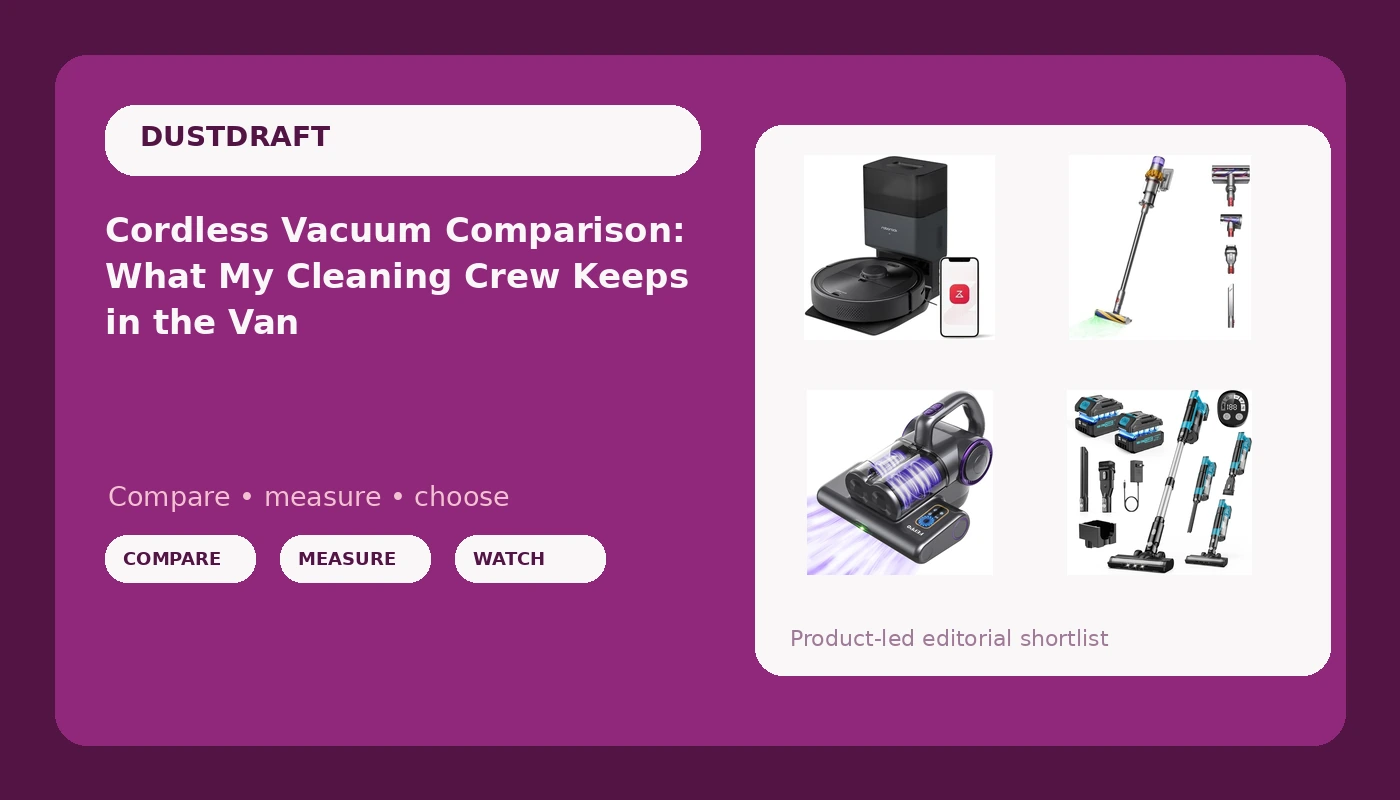
I have cleaned houses professionally for eleven years, and my three-person crew now works through more than 40 homes a month around Denver. Most of those homes have at least one dog, one cat, or a small human who treats the floor like a buffet. That job makes you ruthless about vacuums. I do not care how a machine reads on a showroom spec sheet. I care whether it still picks up on the second pass, on a Tuesday, with a half-full bin. This cordless vacuum comparison is built around four tools I would actually hand to my crew, and they are not interchangeable.
The short answer: the Dyson V15 Detect is the best overall cordless vacuum for most homes, the 700W 60KPa stick vacuum is the value pick when you would rather swap a battery than wait on a charger, the roborock Q5+ is the hands-off option that keeps floors decent between deep cleans, and the FEPPO mattress vacuum is the inexpensive specialty tool that handles the beds and upholstery nobody else touches.
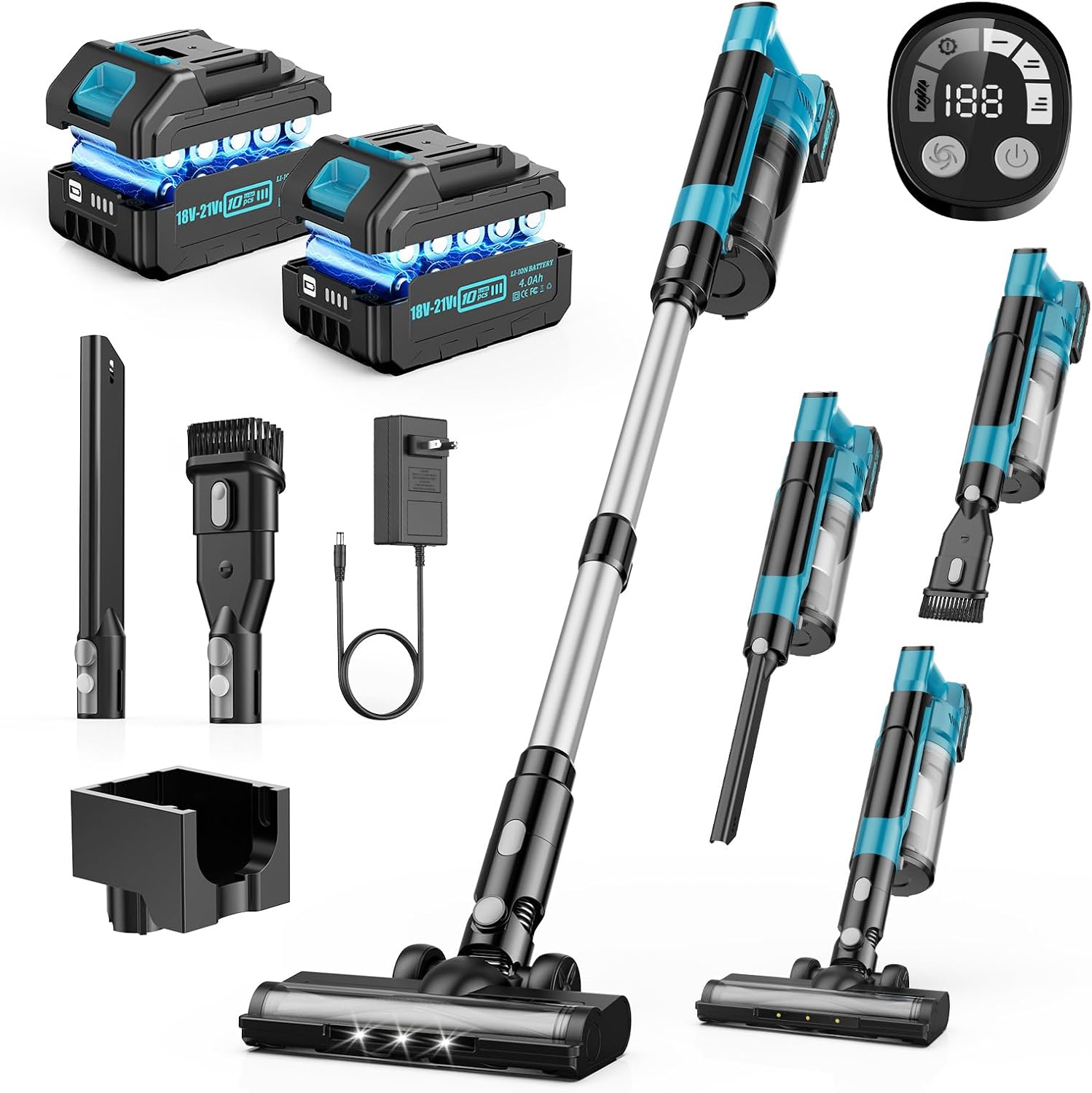
Cordless Vacuum Cleaner, 700W 60KPa Portable Stick Vacuum with 3 Modes, 2x4.0Ah Batteries, 4 in 1
Two 4.0Ah batteries and a 2L dust cup mean fewer interruptions, plus a brushless motor and 4-in-1 tools
No brand track record, no dust detection, and the 60KPa figure is a max-mode number you will not hold for long
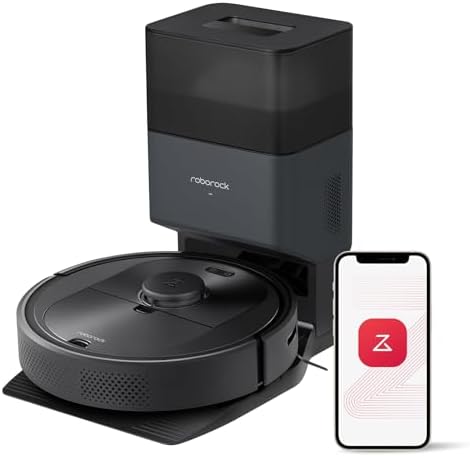
roborock Q5+ Robot Vacuum with Self-Empty Dock, Hands-Free Cleaning for up to 7 Weeks, 2700Pa, Compatible with Alexa (Renewed)
Self-empty dock holds debris for up to 7 weeks, 2700Pa max suction, 180 minutes max runtime, Alexa control
It is a Renewed unit, it cannot climb stairs, and it needs a floor you have already picked up
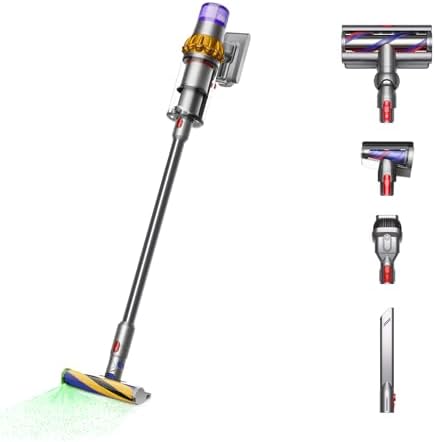
Dyson V15 Detect Cordless Vacuum Cleaner, Yellow/Nickel
The best suction and the best overall balance in this group, and laser dust detection is genuinely useful
Heavy in the hand, expensive, and the bin fills fast in a house with shedding pets
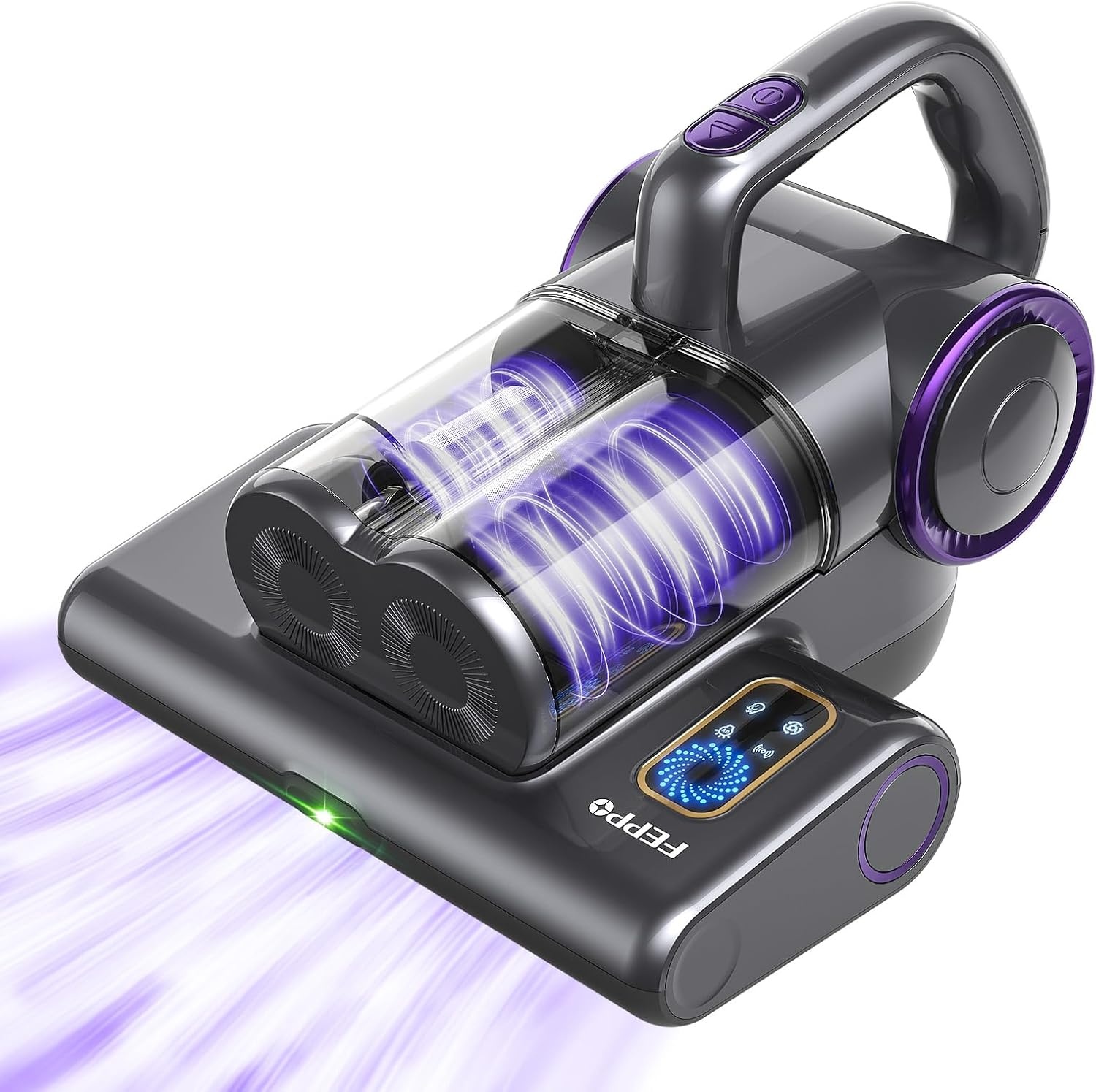
FEPPO Mattress Vacuum Cleaner, 16Kpa Bed Vacuum with 253.7nm UV-C Light
A dedicated bed and upholstery tool with UV-C light, small enough to store in a closet
Single-purpose: it will not clean your floors and it is not a replacement for a stick vacuum
Prices and availability were captured from Amazon Creators API and may change.
How I judge a vacuum in a real home
Four questions, always in the same order.
First, does the brush roll tangle after one pass over pet hair? This is the single fastest way to tell whether a vacuum was designed for real homes or for a photo shoot. A roll that wraps itself in hair needs surgery every few weeks, and nobody does surgery every few weeks. They stop using the vacuum and go back to the broom.
Second, does suction hold when the bin is half full? Almost every cordless vacuum performs beautifully when it is empty. The interesting moment is minute twelve, when the bin is packed and the filter is loaded. If the pickup drops off a cliff, the machine is a toy.
Third, can I empty it one-handed? I am usually holding a bag, a leash, or a client's mail when the bin fills. If emptying takes two hands and a prayer, it is a design failure.
Fourth, would I hand it to my crew on a Tuesday? That is the real test. My crew is not gentle and they do not have time to baby a machine.
The value stick vacuum: 700W, 60KPa, and two batteries
The Cordless Vacuum Cleaner with the 700W brushless motor is the one I recommend to people who keep killing cheap sticks. The headline feature is not the 60KPa number, which is a max-mode figure you will rarely use, and it is not the 4-in-1 tool set, which is nice but ordinary. It is the pair of 4.0Ah batteries.
Two batteries change how you work. You run one down, you click the other in, and you keep going. You never stand around waiting for a charge, and you never finish the stairs by hand because the light turned red. Anyone who has owned a cordless vacuum with a 15-minute real-world runtime knows exactly what that is worth.
The 2L dust cup is genuinely large for a stick vacuum, which means fewer trips to the trash can and less time spent hovering over a bin. The 4-in-1 configuration lets you break it down for stairs, car seats, and crevices, which is where most stick vacuums either earn their keep or fall apart. The three modes give you a low setting for bare floors and a high setting for carpet transitions, which is what you actually want in a mixed-floor house.
Where it loses: there is no dust detection, no self-emptying dock, and no long brand history behind it. Filters and replacement parts are the long-term question with any value-priced stick vacuum. Buy one spare filter early, before you need it.
The roborock Q5+: the vacuum that works while you are not home
The roborock Q5+ is the odd one in this group because it is a robot, and I resisted robots for years. What changed my mind was the self-empty dock. A robot that you have to empty every day is a chore with extra steps. A robot that empties itself for up to 7 weeks is a genuine gift of time.
This is a Renewed unit, so set expectations accordingly. Renewed means it has been through a refurbishment process and sold again, which is how you get a self-emptying robot at a much friendlier number. Read the listing carefully, check what the seller covers, and treat the savings as compensation for doing that homework.
On paper it offers 2700Pa of max suction and up to 180 minutes of max runtime, plus Alexa compatibility so you can start it without bending down. Those are decent numbers for daily maintenance, not for deep cleaning. The honest role for this machine is keeping a floor at 80 percent between proper cleans, especially in a home with one shedding dog and a lot of hard floor.
What it cannot do: stairs, a couch, a car interior, or a floor covered in socks and charging cables. A robot is a maintenance tool, not a replacement for a stick vacuum. In my van, they are partners.
The Dyson V15 Detect: still the one I reach for first
If you want one vacuum and you want it to be the right one, the Dyson V15 Detect is the answer I give most often. The suction holds up in real homes, not just in an empty hallway, and it keeps working as the bin loads instead of fading out. That is the whole ballgame.
The laser dust detection sounds like a gimmick until you use it in a client's kitchen at an angle where the overhead light hides everything. I have used it to show a homeowner exactly what their old vacuum was leaving behind, and it ended the conversation faster than any explanation I could give. It is the feature I did not expect to care about and now notice when it is missing.
The trade-offs are real. It is heavy in the hand compared to the value stick, and it is the most expensive option here. The bin also fills quickly in a house with a husky, which means more trips to the trash than the 2L cup on the budget pick. None of that changes my overall ranking, because the cleaning result is the best of the four.
The FEPPO mattress vacuum: the tool nobody thinks to buy
The FEPPO Mattress Vacuum Cleaner is the one that surprises people, because almost nobody shops for a mattress vacuum until they need one. It is a dedicated bed and upholstery tool with 16Kpa of suction and a 253.7nm UV-C light, which is the part that matters to allergy households and anyone who has ever seen what comes out of a guest room mattress.
This is not a floor vacuum and it is not trying to be. It handles mattresses, couches, pet beds, and the fabric surfaces that a stick vacuum's floor head never touches properly. It is small, it stores easily, and it is the cheapest item in this comparison, which makes it an easy add-on rather than a budget decision.
If you have pets that sleep on the bed, or you rent out a room, or someone in the house wakes up congested every morning, this is the tool I would buy before upgrading anything else. It will not replace a stick vacuum, and no one should expect it to.
Where each one loses
The 700W stick vacuum loses on brand support and long-term parts availability, and its peak suction number is the least realistic spec in the group.
The roborock Q5+ loses on stairs, upholstery, and the fact that it is a Renewed unit, which means the warranty and condition details live in the listing, not in your assumptions.
The Dyson V15 Detect loses on weight and price, and its bin is the smallest practical annoyance in a heavy-shedding home.
The FEPPO mattress vacuum loses on scope. It does one job, and if you buy it expecting a floor vacuum you will be disappointed.
Which one should you buy?
If you want the best cleaning result and you will only own one cordless vacuum, buy the Dyson V15 Detect. It is the one I reach for on the homes that matter most.
If you are replacing a cheap stick that died mid-job, buy the 700W stick vacuum with the two batteries. The second battery is the difference between finishing the house and finishing half of it.
If your floors are mostly hard surface and you want them maintained without lifting a finger, add the roborock Q5+ and let it run daily. Understand that it is a maintenance tool.
If you have pets on the furniture or allergy sufferers in the house, buy the FEPPO mattress vacuum. It is the smallest purchase here and the one most people skip.
What I am testing next
I am running a batch of budget stick vacuums through a month of client homes right now, including stairs, husky hair, and the half-full-bin test, because the value tier is where most readers actually shop. I am also watching how the two-battery setup holds up over a full season of daily crew use, since battery health is the thing spec sheets never tell you. When I have a full month of real homes behind a machine, I will say so here.
The rule I keep coming back to is simple. Suction numbers are marketing. A vacuum that still picks up on the second pass, empties with one hand, and does not tangle on the first pet-hair run is the one that stays in the van.