Related: Best Vacuum for Stairs and Tight Corners
Pet hair is the reason most people start shopping for a cordless stick vacuum, and it is also the reason most of them end up disappointed. I run a three-person cleaning crew in Denver that does more than 40 homes a month, many of them with dogs, cats, and kids who treat the floor like a buffet. I have watched sticks die halfway up a staircase, fling kibble across a kitchen, and wrap a brush roll so tight that the only fix was scissors and patience. A cordless stick vacuum for pet hair has to do three things: hold suction when the bin is half full, empty with one hand, and survive a brush roll that has met a husky.
The four machines below are not the same kind of vacuum. Two are sticks you carry, two are robots that run while you are doing something else. That is on purpose. If your floors are mostly hard surface with a couple of area rugs, a stick covers everything. If you have wall-to-wall carpet and a dog that sheds year round, the robot that runs every day does more for your floors than the stick that runs when you remember it.
One warning before the specs. Suction numbers are marketing. A big kilopascal claim measured on a bare floor with an empty bin tells you very little about the second pass, when the bin is half full and you are on medium pile. Battery life is a promise; runtime is a fact. And a bin you cannot empty with one hand is a bin you will avoid emptying, which is how a vacuum quietly turns into a container of dust.
Best Overall Stick: The 700W Cordless With Two Batteries
The first thing I look for in a cordless stick is a second battery, and this one comes with two 4.0Ah packs. Swappable batteries are the difference between a vacuum you finish the house with and a vacuum that sits on the charger while you find something else to do. If you have ever run out of charge on the last three stairs, you know exactly what that costs you.
The listing gives you 700W from a brushless motor, three modes, a 2L dust cup, and a 4-in-1 body that converts for stairs and car interiors. That 2L bin is the number that matters most to me. Most sticks make you stop every couple of rooms, and every stop is a chance to leave the vacuum in the hall and forget about it. A bigger bin means fewer interruptions, and fewer interruptions is the whole reason to own a stick in the first place.
Brushless is also the quieter, longer-lived option in this category. Brushed motors are cheaper to build and they wear out. If you plan to use a vacuum daily, brushless is what you want.
Three details I would check before committing: does it stand on its own between passes, does the bin release one-handed, and can the brush roll come out without a screwdriver. Those are the things that decide whether a stick is still in the closet in two years or donated in six months.
Best Budget Pick: Bissell Featherweight
This is the vacuum for a small apartment with hard floors and a habit of tracking grit in from the alley. It is a lightweight bagless stick and electric broom, and the listing says it handles hard floors and carpets and includes a crevice tool. In this tier you are not buying carpet extraction, you are buying a tool that lives by the door and actually gets used.
A featherweight broom earns its keep on kitchen crumbs, entryway salt in January, and the ring of hair that collects under a bathroom vanity. The crevice tool matters more than people expect, because the gap between the fridge and the counter is where the interesting dirt lives.
What it will not do is dig into a thick rug. A very light broom does not have the mass or the airflow to pull embedded hair out of pile, and no spec sheet changes that. If your house is mostly carpet, put this money toward the cordless stick above instead.
It is corded, which is a tradeoff, not a flaw. A cord means no runtime clock and no battery to replace, and for a 700 square foot apartment that is often the smarter deal. You are trading freedom for reliability, and that is a fair trade at this end of the market.
How I Judge a Stick Vacuum
Every vacuum that comes through my crew gets the same checklist, and it is the checklist I would run on all four of these.
The tangle test: one pass over pet hair on medium pile, then look at the brush roll. If hair has wrapped the roll, it is not a pet vacuum, it is a chore with a handle. Self-cleaning brush rolls exist, and they are the only real answer to a shedding season.
The second-pass test: fill the bin halfway and go over the same patch again. Cheap cyclones lose separation as they load up, suction drops, and you end up chasing the same cheerio three times. A vacuum that only works with an empty bin works for about ten minutes.
The one-hand test: empty it with one hand while the other hand holds a trash bag or a door. If it needs two hands, a prayer, and a screwdriver, it fails.
The runtime test: medium pile, medium mode, timed. Not the eco number on a bare floor with a fresh battery. That number is fiction.
And the last question, the one that decides everything: would I hand this to my crew on a Tuesday and expect it to come back working? That is the bar.
Analysis and Notes
Two of these are sticks and two are robots, and the difference is not just form factor, it is who does the work. A stick puts a human in the loop for every square foot. A robot takes the daily maintenance pass off your list entirely, which is why robots have quietly become the first line of defense in pet homes.
The robots here are not equals. The iRobot Roomba 705X is a vacuum and mop combo with an extending self-cleaning roller mop, a multifunction dock that self-empties for up to 75 days per the listing, hot wash and dry for the mop pad, and AI obstacle avoidance. The dock is the feature that changes behavior. A robot you have to empty every day is a robot you stop running. A robot you empty every couple of months is one that actually does the job.
The Shark Navigator AV2120 takes a simpler path with SmartPath navigation. Fewer moving parts, less to go wrong, and navigation that covers a room in orderly rows instead of wandering. For a one-bedroom with a cat and hard floors, that is plenty of machine.
What none of the spec sheets tell you is how a vacuum behaves on the second pass, whether the brush roll survives a shedding season, and whether you will still enjoy using it in March. Those are the questions worth asking, and they are the ones I keep coming back to after eleven years of other people's floors.
Vacuum Reference Table
This is the table I keep when I am comparing machines for a client's house. Same four picks, sorted by what they are actually for.
| Vacuum | Type | Best for | What the listing says | Where to buy |
|---|---|---|---|---|
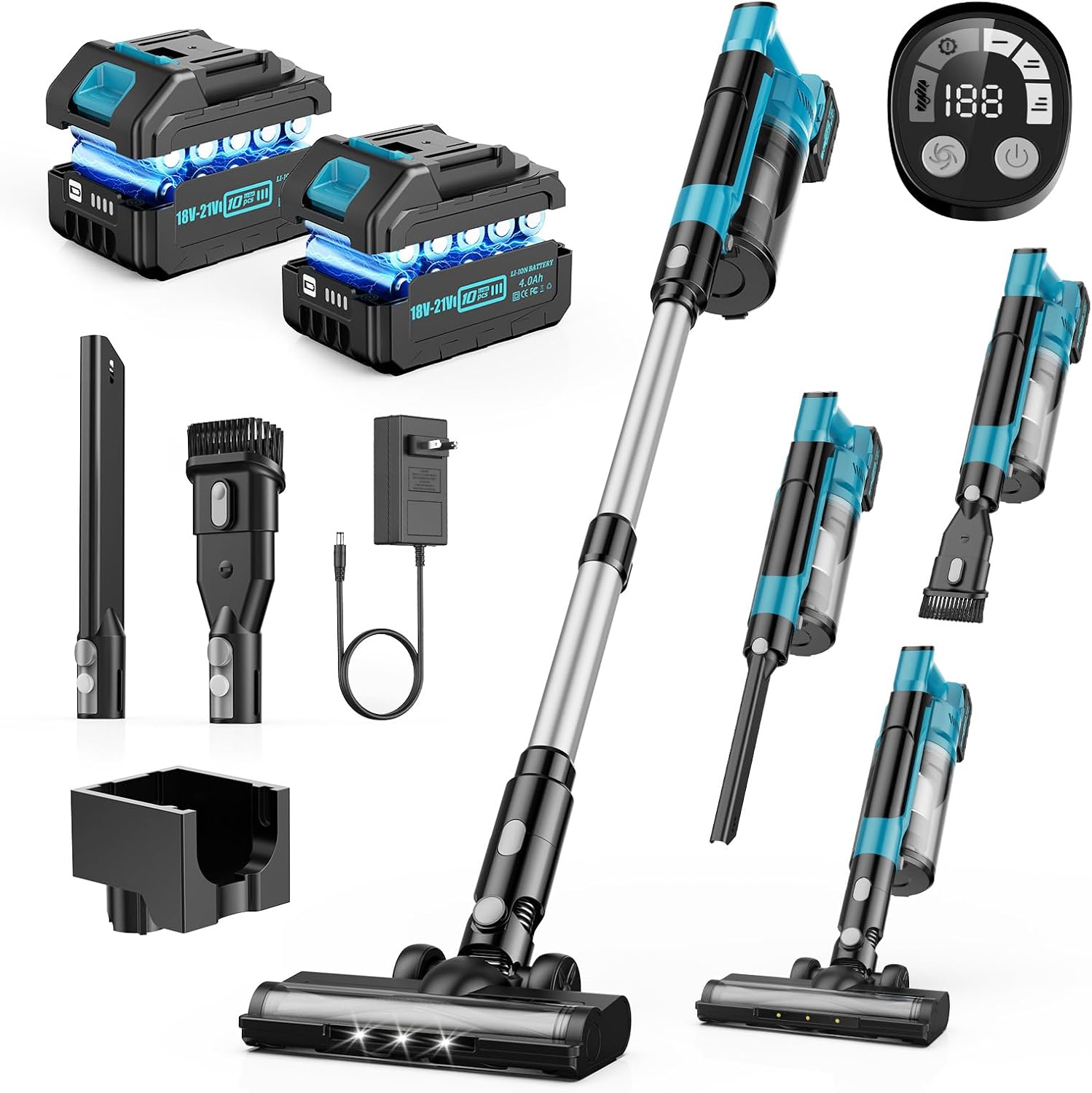 Visit on Amazon → Cordless Vacuum Cleaner, 700W 60KPa Portable Stick |
Cordless stick | Whole-home cleaning, stairs, cars | 700W brushless motor, three modes, two 4.0Ah batteries, 2L dust cup, 4-in-1 tools | Visit on Amazon → |
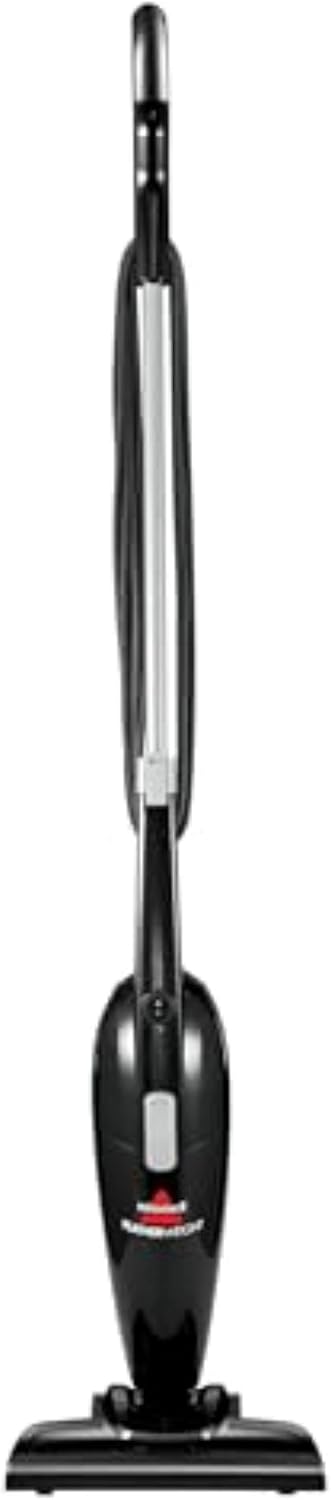 Visit on Amazon → Bissell 2033M Featherweight Stick |
Corded stick and electric broom | Hard floors, kitchens, quick pickups | Lightweight, bagless, crevice tool included, hard floors and carpets | Visit on Amazon → |
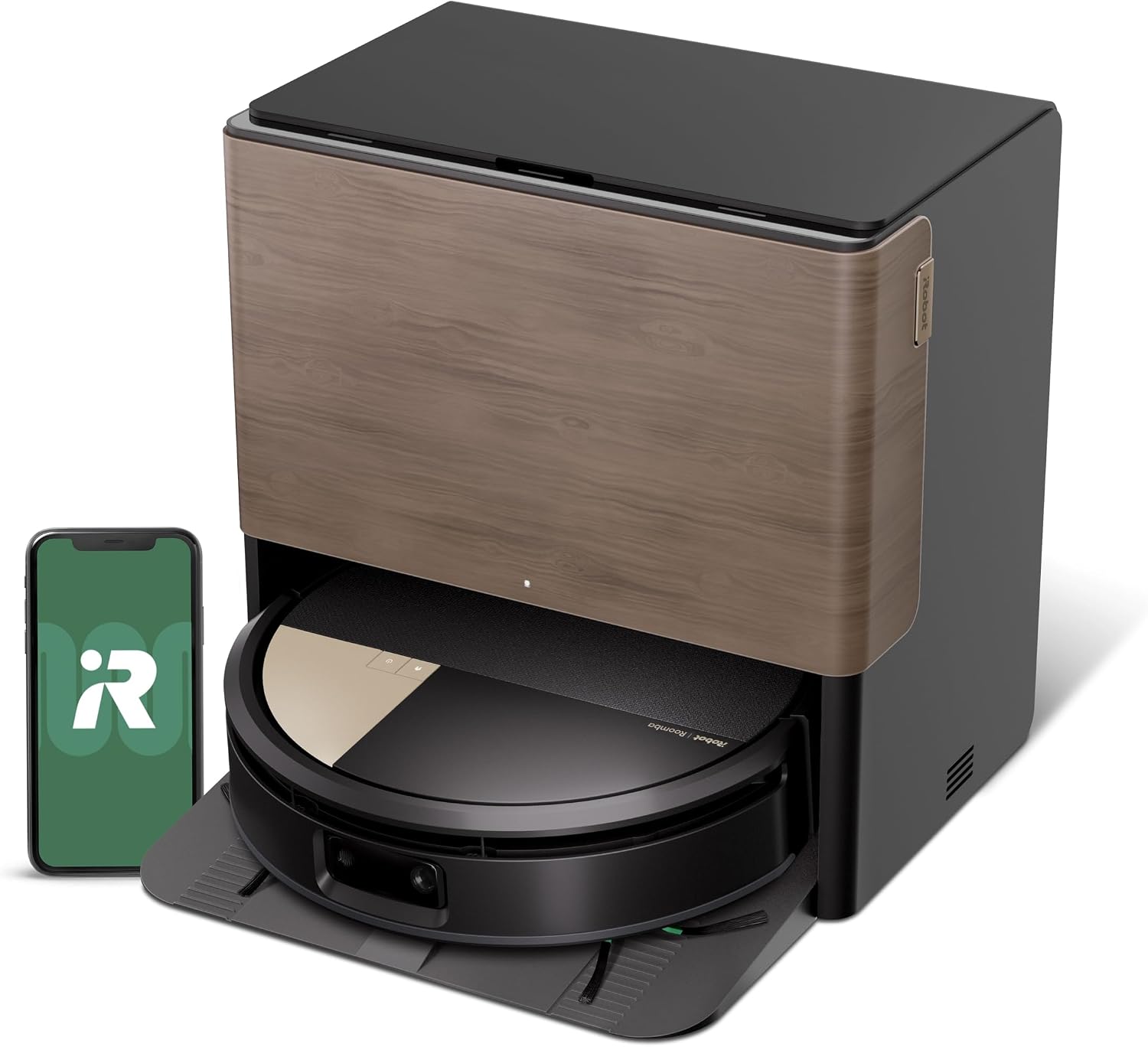 Visit on Amazon → iRobot Roomba 705X Robot Vacuum and Mop Combo |
Robot vacuum and mop | Pet hair, carpet, hands-off cleaning | 175x more suction claim, extending self-cleaning roller mop, multifunction dock, 75 day self-emptying, hot wash and dry, AI obstacle avoidance | Visit on Amazon → |
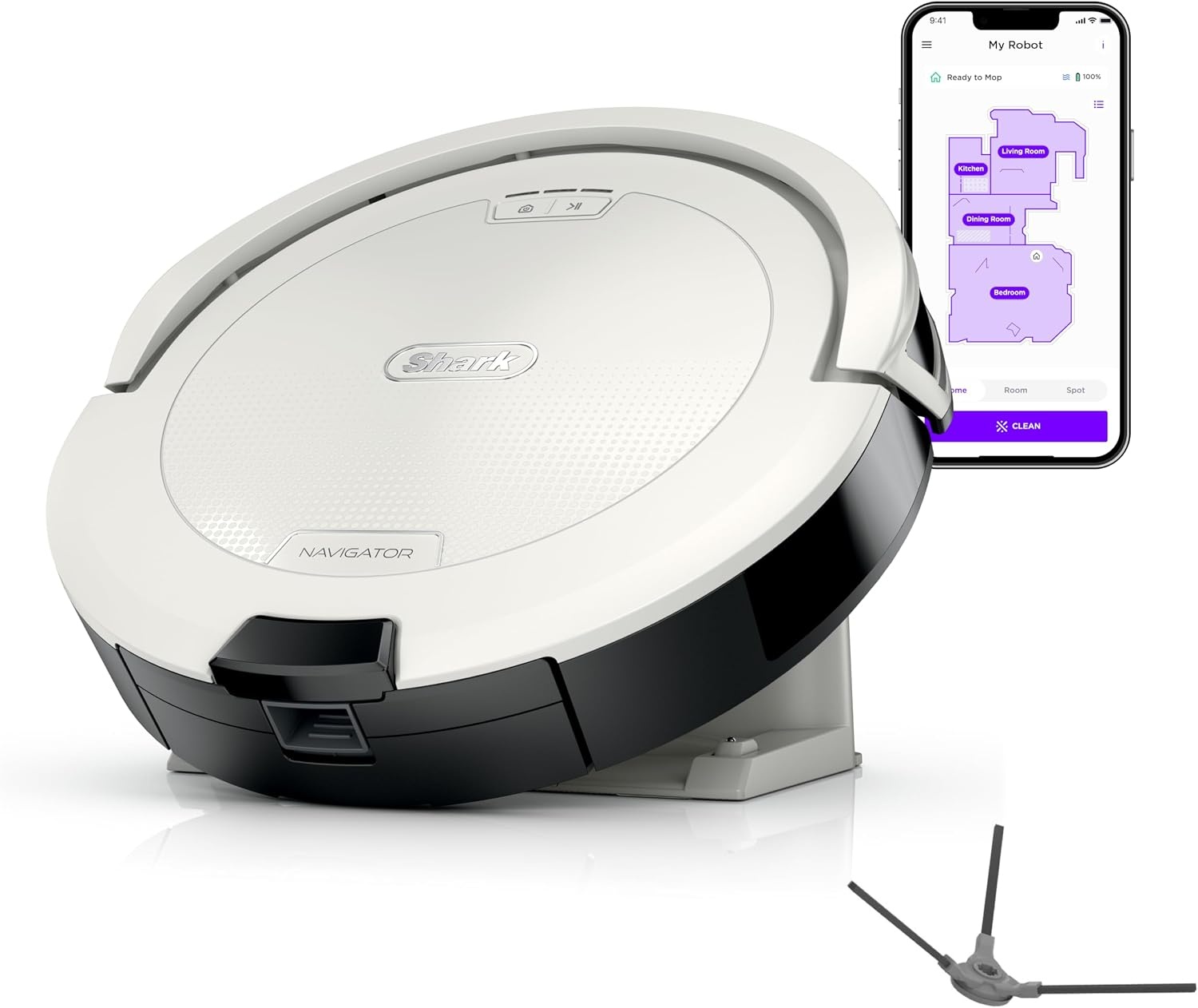 Visit on Amazon → Shark Navigator Robot Vacuum, White |
Robot vacuum | Small homes, hard floors, daily upkeep | SmartPath navigation, white finish, no mop and no self-empty dock | Visit on Amazon → |
iRobot Roomba 705X Robot Vacuum and Mop Combo
If you have pets and carpet, start here. The listing describes an extending self-cleaning roller mop that reaches edges and cleans itself, a multifunction dock that self-empties for up to 75 days, and hot wash and dry so the mop pad does not sit there getting sour between runs. AI obstacle avoidance is the part that matters most in a lived-in home, because a robot that eats a charging cable once a week is a robot that gets banished to a closet.
Pet hair is the headline use case, and the mop is what lets the same machine handle a kitchen and an entryway. This is the most expensive pick on the list, and the one that removes the most work from your week.
Shark Navigator Robot Vacuum AV2120
This is the sensible robot for a smaller home. SmartPath navigation, a straightforward white body, and a simpler set of features than the combo machines. It does not mop, it does not self-empty, and it does not try to be a robot butler. What it does is run a daily pass over hard floors and low pile and keep the visible hair down between real cleans. For a one-bedroom or a downstairs-only setup, that is the right amount of robot.
Should you buy the 700W cordless stick with two batteries?
Yes, if you clean a whole house in one session. Two 4.0Ah batteries mean you swap and keep going instead of waiting on a charger, and the 2L dust cup means fewer stops at the trash can. It is the one here I would hand to someone who wants a single vacuum for floors, stairs, and the car.
Where it asks you to be honest with yourself is weight and storage. A stick with a big bin and a spare battery is a heavier stick, and a heavier stick is the one you reach for on the big clean rather than the quick crumb. If what you want is something to grab for thirty seconds in the kitchen, the Bissell is the better tool.
Should you buy the Bissell Featherweight?
Yes, if your floors are mostly hard surface and your messes are crumbs, cereal, and grit. It is light, bagless, comes with a crevice tool, and it is corded, which means no runtime clock and no battery to replace. For a small apartment, that simplicity is the feature.
No, if you have thick carpet or a heavy shedder. A very light electric broom cannot pull embedded hair out of pile, and you will be disappointed in the way most people are disappointed by a cheap stick. Put the money toward the cordless stick with the swappable batteries instead, and let a robot handle the daily hair.