I have cleaned more than 40 homes a month for eleven years, and most of them have at least one dog, one cat, or one kid who treats the floor like a buffet. In that time I have watched cordless sticks die halfway up a staircase and watched robots glide right past the pile of husky fur they were bought to remove. So when someone asks me to compare stick vacuums for pet hair against the robot vacuums that promise to do the job for them, I do not start with suction numbers. I start with a question: where does the hair actually collect in your house?
Related: Cordless Vacuum Runtime Explained
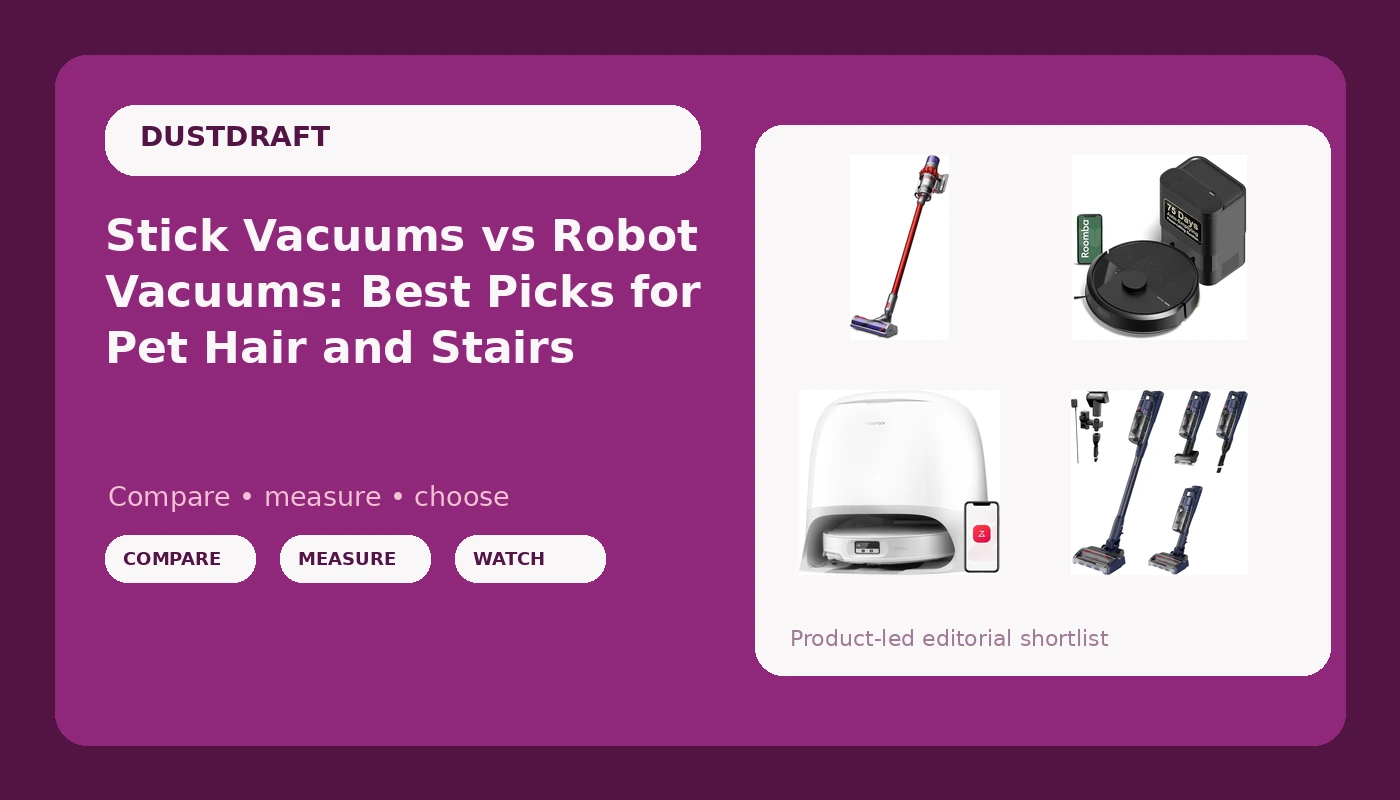
Short answer: the Dyson Cyclone V10 Motorhead is the stick I would hand to my crew on a Tuesday, and the roborock Qrevo CurvX is the robot I would leave running between visits. If your home is one level and mostly hard floor, the iRobot Roomba 105 covers the daily pass, and the Bissell PowerClean DualBrush is the full-size machine you keep for the bad days.
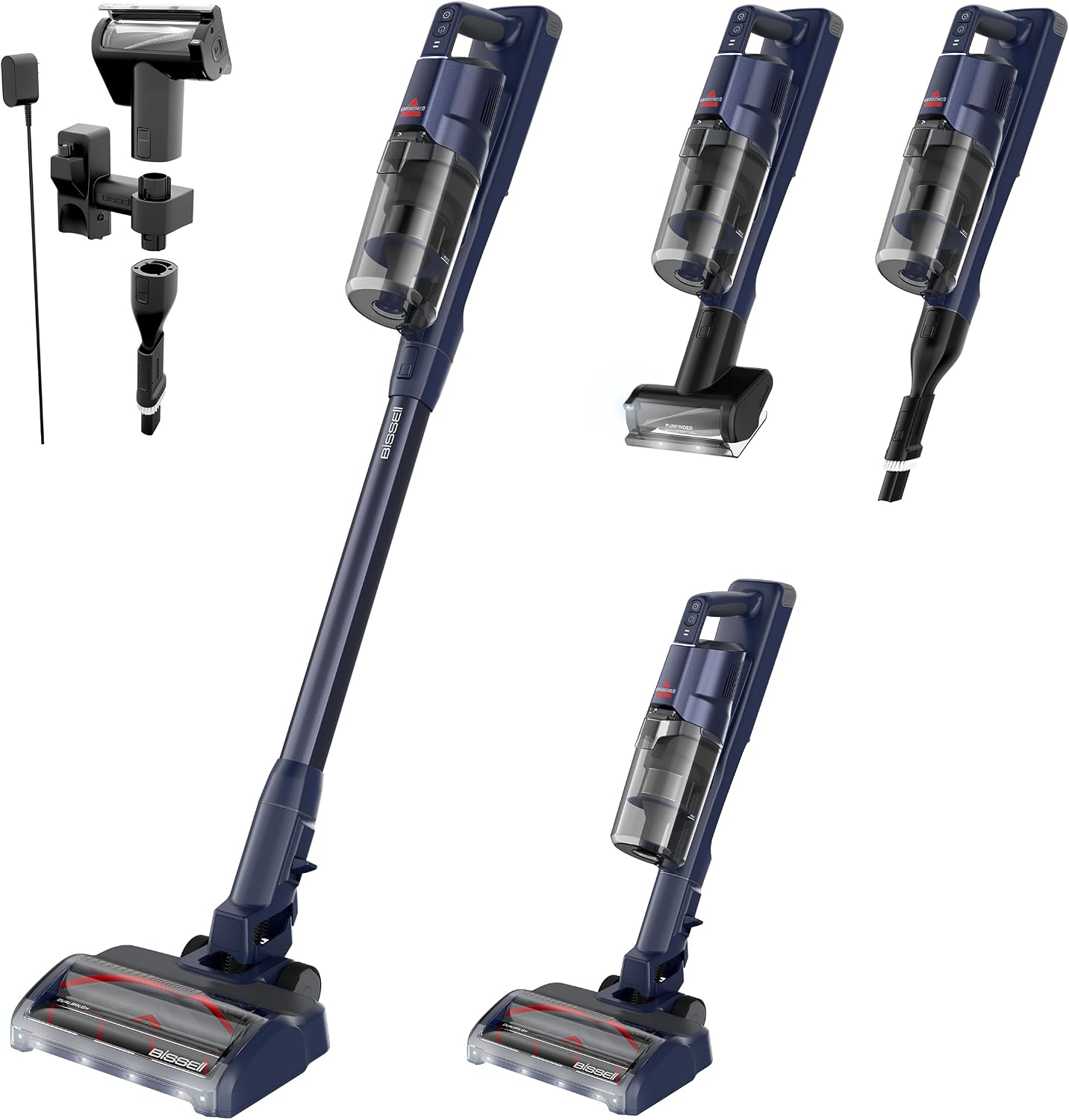
Bissell PowerClean DualBrush 280W Self-Standing Vacuum, 4196K
Stands on its own, twin brush rolls, and it feels like a real machine rather than a gadget
Full-size footprint, so it is not the tool for a 30-second crumb pass
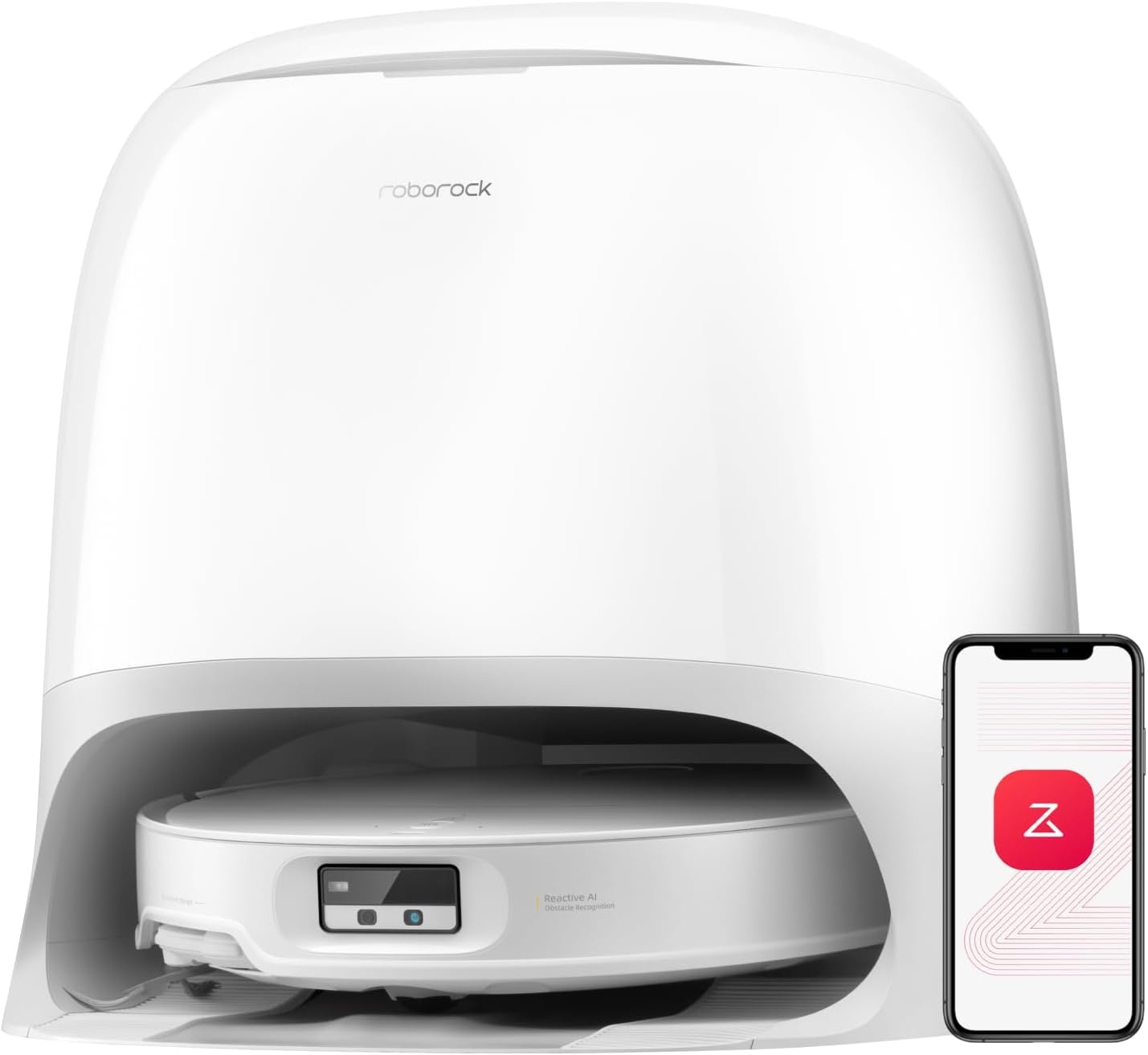
roborock Qrevo CurvX Robot Vacuum and Mop, 22,000Pa Suction
The most capable robot here, with a mop and the highest suction figure in the group
The most expensive, and it still cannot climb your stairs
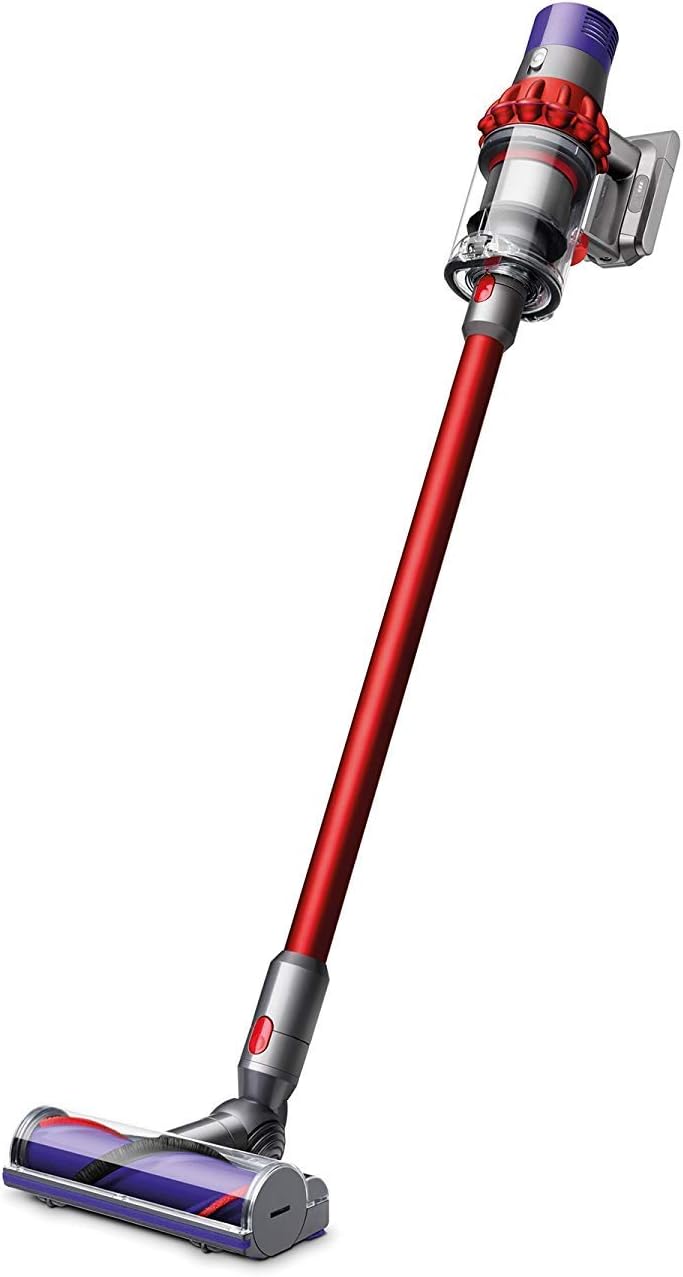
Dyson Cyclone V10 Motorhead Lightweight Cordless Stick Vacuum Cleaner
Light in the hand, cyclone separation in the bin, and the shape that makes stairs and car seats easy
Small bin, no self-empty dock, and the Motorhead head is the simple one
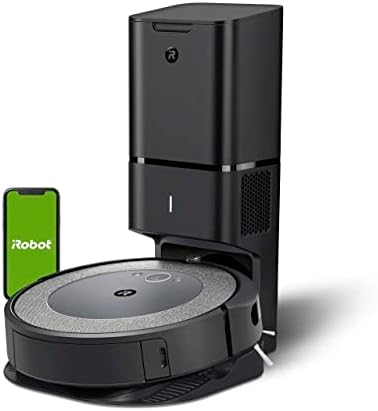
iRobot Roomba 105 Vac Robot Vacuum with AutoEmpty Dock
The dock holds debris for 75 days per the spec, LiDAR maps the room, and it cleans in neat rows
Robot only, no handheld mode, and it needs a clear floor to do its job
Prices and availability were captured from Amazon Creators API and may change.
How I judge a vacuum for a real home
Four questions decide everything for me, and none of them appear on a spec sheet.
First, does the brush roll tangle after one pass through pet hair? If I have to cut hair off a roller every week, that vacuum is a chore wearing a vacuum costume. Second, does suction hold when the bin is half full? A machine that only performs on an empty bin is a machine that quits in the middle of a job. Third, can I empty it one-handed while holding a client's dog back with the other hand? If the answer is no, it fails. Fourth, would I hand it to my crew on a Tuesday, when there are six homes on the schedule and no time for drama?
Everything below is sorted through those four questions, plus the one thing buyers forget: stairs. Robots do not do stairs. Sticks do. That single fact decides more purchases than any suction number ever will.
The two cordless sticks
Dyson Cyclone V10 Motorhead
The V10 Motorhead is the stick I reach for when a home has a staircase, a car parked in the driveway, and a dog that sheds in visible clumps. The cyclone bin design is the part that matters most to me. Cones separate dirt from air, and when that system works, suction does not collapse as the bin fills, which is exactly the failure I see in cheap sticks by the second room.
The Motorhead name tells you what you are getting at the business end: a motorized brush head rather than the fancy detection head on the premium trims. For pet hair on carpet and rugs, a driven brush is the whole ballgame. It is also light enough that carrying it up and down stairs one-handed is realistic, which is more than I can say for most full-size machines.
What it loses: the bin is small, and there is no dock that empties it for you. On a three-bedroom home with two shedding animals, I am emptying that bin more than once. That is a real cost in time, and time is what I am actually paid for. If you want the stick for stairs, cars, and quick pickups between deeper cleans, it earns its place. If you want it to be your only vacuum in a 2,500 square foot house with three pets, the bin will annoy you.
Bissell PowerClean DualBrush 280W Self-Standing Vacuum
This is the odd one in the group, and I mean that as a compliment. It is a full-size machine that stands on its own, and the "self-standing" part of the name is not marketing fluff to anyone who has owned a stick that slides off the wall and cracks a baseboard. It stays where you park it. The DualBrush name means two brush rolls working the floor at once, which is the design answer to the pass-over-twice problem on medium pile carpet.
The 280W figure in the name points to a machine built around raw cleaning power rather than battery math. That is the trade you are making: you get the deep clean without watching a percentage drop, and in exchange you get a heavier vacuum with a cord and a footprint. For a home with wall-to-wall carpet and a golden retriever, that trade is usually correct. For an apartment with two area rugs, it is overkill and it will live in a closet.
Where it loses for me is speed. When I am doing a maintenance pass on a hardwood kitchen at 8 a.m., I want a stick I can grab, run, and hang back up. This is the vacuum I pull out when the carpet needs to be genuinely clean, not when the floor needs to look clean before a guest arrives.
The two robots
iRobot Roomba 105 with AutoEmpty Dock
The selling point is right in the name: the AutoEmpty dock self-empties for 75 days. Read that as a claim about the dock's capacity, not a promise about your floors, because a robot still has to make the pass in the first place. What the dock really buys you is not having to touch the bin every single day, and for a household where nobody wants to think about vacuuming, that is the difference between the robot running daily and the robot sitting in a corner with a full bin.
LiDAR navigation and the "cleans in neat rows" description matter more than they sound. Camera-based robots wander. A LiDAR robot builds a map, follows a path, and covers a room in orderly lines, which is how you get consistent coverage instead of a robot that finds the same three square feet every day. Multi-surface cleaning means it handles hard floor and carpet without you reprogramming it between rooms.
The honest limitation: it is a robot and only a robot. No wand, no handheld mode, no crevice reach under the fridge. It also needs a floor that is not a minefield. Cables, socks, and the thin edge of a shag rug are its natural enemies. Pair it with a stick and it is a great daily maintainer. Buy it as your only vacuum and you will still be borrowing your neighbor's machine for the stairs.
roborock Qrevo CurvX Robot Vacuum and Mop
The Qrevo CurvX is the most ambitious machine in this comparison. It vacuums and mops, and the 22,000Pa suction figure in the name is the highest number here by a wide margin. Suction numbers are marketing until you see the second pass, but on a hard-floor home with pets, a robot that can lift debris out of grout lines and follow up with a mop is doing two jobs that used to take two machines.
The mopping side is what separates it from the Roomba in practical terms. If your home is mostly tile, laminate, or LVP, and you are currently dragging out a mop and bucket once a week, a robot that mops changes your routine more than a robot that only vacuums. That is worth paying for, and it is also the reason this is the most expensive pick in the group.
The losses are real too. It costs the most, it still cannot do stairs, and a robot that mops means a robot you have to maintain: pads, tanks, and the parts that get gross if you ignore them for a month. If you are not willing to rinse a pad, buy the simpler robot and keep a stick for the edges.
The trade-offs nobody puts on the box
Stairs. Robots cannot climb them. If your home has more than one level, you need a stick or a full-size machine no matter which robot you buy. This alone pushes most two-story pet homes toward the Dyson plus a robot, not a robot alone.
Emptying. A self-empty dock is not laziness, it is workflow. A stick bin that needs two hands to open means you will empty it less often than you should, and a full bin is a vacuum working at half strength.
Brush roll design. The brush roll is where pet hair is won or lost. Twin rolls and driven brush heads handle it better than a single soft roller, and anything that needs monthly detangling surgery is a machine I stop recommending.
The floor you actually have. Carpet rewards raw power and a driven brush. Hard floor rewards a mop and a robot that runs daily. Buying for the floor you wish you had is how people end up with a closet full of unused vacuums.
Which one belongs in your house
Two stories, two dogs, carpet upstairs: the Dyson Cyclone V10 Motorhead for the stairs and the roborock Qrevo CurvX for the daily downstairs pass. This is the setup I would build for my own house.
One level, mostly hard floor, one cat: the iRobot Roomba 105 running every day, plus a cheap stick for corners. The dock's 75-day capacity means you rarely think about it.
Wall-to-wall carpet, kids, and a golden retriever: the Bissell PowerClean DualBrush as the primary machine, with a robot only if you want maintenance passes between real cleans.
Small apartment, no pets, low tolerance for fuss: the Roomba 105 alone. You do not need three machines. You need one that runs while you are at work.
Questions clients ask me
Do I need both a stick and a robot? If you have pets and stairs, yes, and it is not a luxury. They cover different surfaces and different moments.
Is the highest suction number the best vacuum? No. Suction holds or collapses based on the bin and cyclone design, and the second pass tells you the truth.
Can a robot replace a stick? On a single-level hard-floor home, close. With stairs, never.
What kills a stick vacuum fastest? A bin that is a pain to empty, a brush roll full of hair, and a battery that only performs on an empty bin. All three are avoidable.
What I am watching next
I keep a running list of machines that survive a month of real client homes, including stairs and husky days. The next thing I want to put side by side is how these four handle a full bin on medium pile, because that is the test most reviews skip. Until then, match the machine to your floor plan and your pet, not to the biggest number on the box.